Every modern vehicle — from compact sedans to heavy-duty trucks — relies on one hidden component to keep its electrical system alive: the automotive wire harness. Also called a vehicle wiring harness or cable harness, this assembly bundles hundreds of individual wires, connectors, terminals, and protective sleeves into a single organized system that distributes power and signals across the entire car.
Without a properly designed wire harness, a vehicle's engine control unit, lighting, infotainment, sensors, and safety systems simply cannot communicate. As vehicles add more ADAS features, electrification, and smart connectivity, the demand for reliable, high-quality automotive wiring harnesses continues to grow.
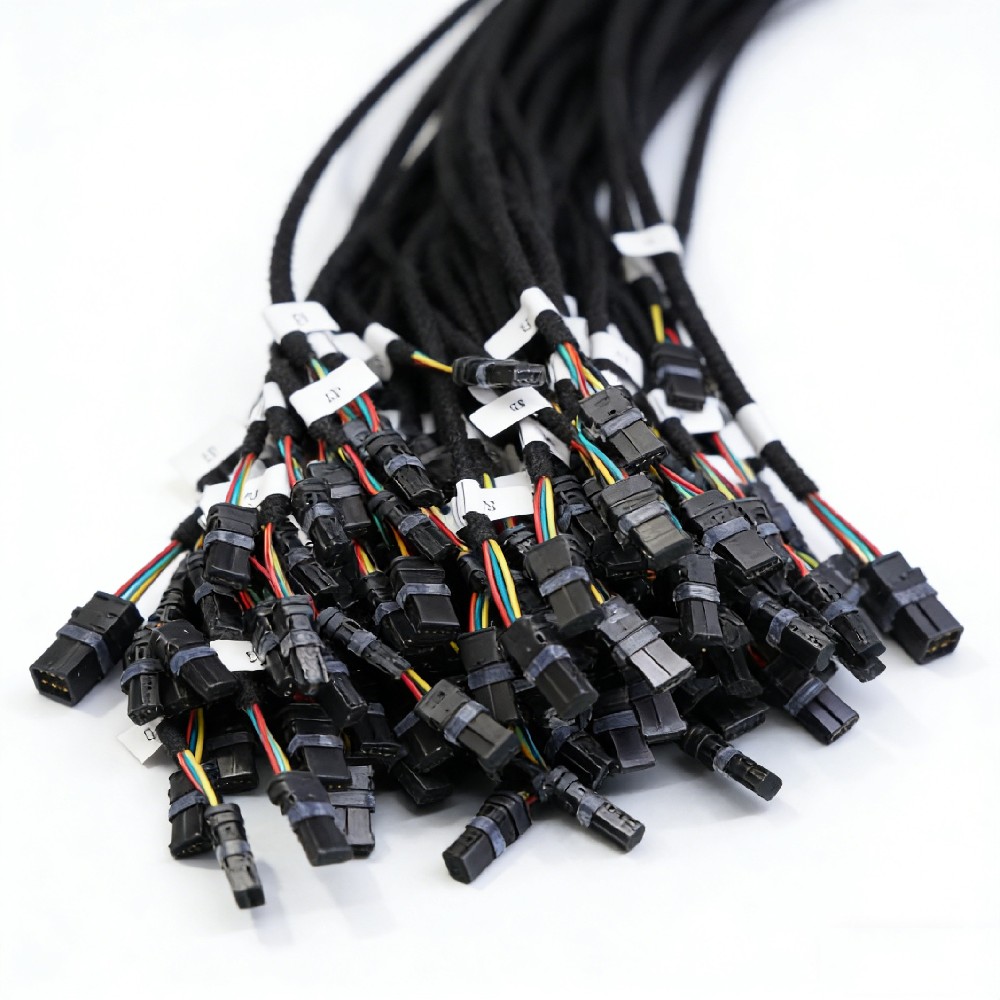
An automotive wire harness is an integrated assembly of electrical wires, connectors, relays, fuses, and protective coverings designed to transmit electrical power and data between different components of a vehicle. Instead of running loose wires individually, manufacturers bundle them into a single harness — reducing installation time, saving space, and improving safety.
A typical full-vehicle harness includes:
Engine bay harness — connects ECU, sensors, alternator, and starter
Interior / cabin harness — powers dashboard, seats, windows, and infotainment
Chassis harness — links lighting, fuel system, and body controls
Door harness — controls windows, locks, mirrors, and speakers
Tailgate / rear hatch harness — handles rear lighting, cameras, and power liftgates
Accessory harnesses — for running boards, tow bars, roof racks, and aftermarket upgrades
Why Wire Harness Quality Matters
A low-quality harness can cause intermittent electrical failures, short circuits, or even fire risks. Key factors that define a reliable automotive wire harness include:
Wire gauge and material — pure copper conductors with correct AWG sizing ensure stable current flow and minimize voltage drop.
Connector quality — sealed, vibration-resistant connectors prevent moisture intrusion and signal loss.
Protective sleeving — corrugated tubing, heat-shrink tubing, and braided sleeves shield wires from abrasion, heat, and chemicals.
Manufacturing precision — consistent crimping, soldering, and 100% electrical testing reduce field failures.
Common Signs of a Failing Wire Harness
If you notice any of the following, your vehicle's wiring harness may need inspection or replacement:
Intermittent dashboard warning lights
Non-functional power windows or door locks
Flickering headlights or taillights
Blown fuses that recur after replacement
Engine misfires or sensor error codes
Battery drain with no obvious cause

XLL Wire Harness specializes in designing and manufacturing complete automotive wiring harness solutions for passenger cars, commercial vehicles, and specialty equipment. Our product range covers full-vehicle harnesses, tailgate harnesses, running-board harnesses, door harnesses, and custom OEM/ODM assemblies.
With strict IATF 16949-aligned quality control, in-house tooling, and 100% continuity testing on every unit, XLL delivers harnesses that meet global OEM standards at competitive factory-direct pricing. Whether you need a single replacement harness or a full-vehicle production program, our engineering team supports you from prototype to mass production.
Ready to source reliable automotive wire harnesses? Contact XLL Wire Harness today for a custom quote and technical consultation.