

du@xllwire.com


✕



Main power lead — connects directly to the vehicle battery with an inline fuse
Control module connector — links to the ECU that monitors door position and controls motor timing
Motor leads — two or four wires per side, powering the extend/retract motors
Door sensor taps — interface with door ajar switches or CAN bus signals
Ground wires — chassis grounding points for stable operation
Plug-and-play connectors — matched to specific vehicle models for clean installation
Protective sleeving — underbody-rated tubing that resists water, mud, and road debris
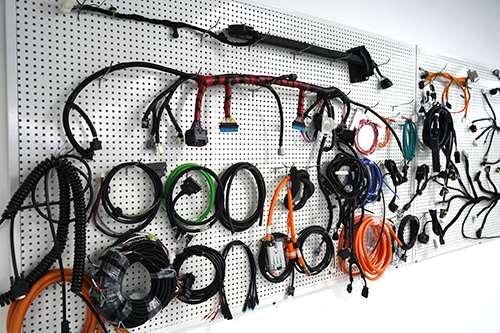
Exposed connections corrode quickly under the vehicle
Incorrect wire gauge causes voltage drop, slowing or stalling the motors
No circuit protection risks blowing vehicle fuses or damaging the control module
Messy routing leads to wire abrasion against moving suspension parts

Disconnect the battery before starting any electrical work
Mount the control module inside the cabin or in a protected underbody location
Route the harness away from exhaust heat, sharp edges, and moving suspension components
Use factory mounting points and zip ties to secure the harness every 15–20 cm
Seal all underbody connectors with dielectric grease to prevent corrosion
Test both sides — confirm boards extend when either front or rear door opens
Verify retraction — boards should fully retract within 3–5 seconds of all doors closing
Blown inline fuse on the main power lead
Loose or corroded ground connection
Damaged motor lead wires near the pivot point
Door sensor signal not reaching the control module
Control module needing reset or firmware update
Plug-and-play harnesses for popular vehicle models
Universal harness kits for custom installations
OEM/ODM custom harnesses for running-board brands and upfitters


